Sustainability has moved well beyond being a buzzword on a company website. Across industries, organisations are being held to a higher standard by clients, regulators, and the communities they operate in. For institutions that process large volumes of linen every single day, whether that is a hospital managing patient and OT linen, a hotel turning over rooms, or a residential educational institute running housekeeping operations at scale, laundry is one of the most resource-intensive activities happening behind the scenes.
The good news is that sustainable laundry operations are not just better for the planet. They are genuinely better for your organisation too. Lower utility bills, longer linen life, improved compliance readiness, and reduced waste all add up to a compelling case for making the shift.
This blog walks through what sustainable laundry actually looks like in practice, why it matters more now than ever, and how making the right choices in this area can pay off well beyond just reducing your carbon footprint.
The Environmental Cost of Conventional Laundry
To understand why sustainable laundry solutions matter, it helps to first look at what conventional laundry operations actually cost the environment. The numbers are not small.
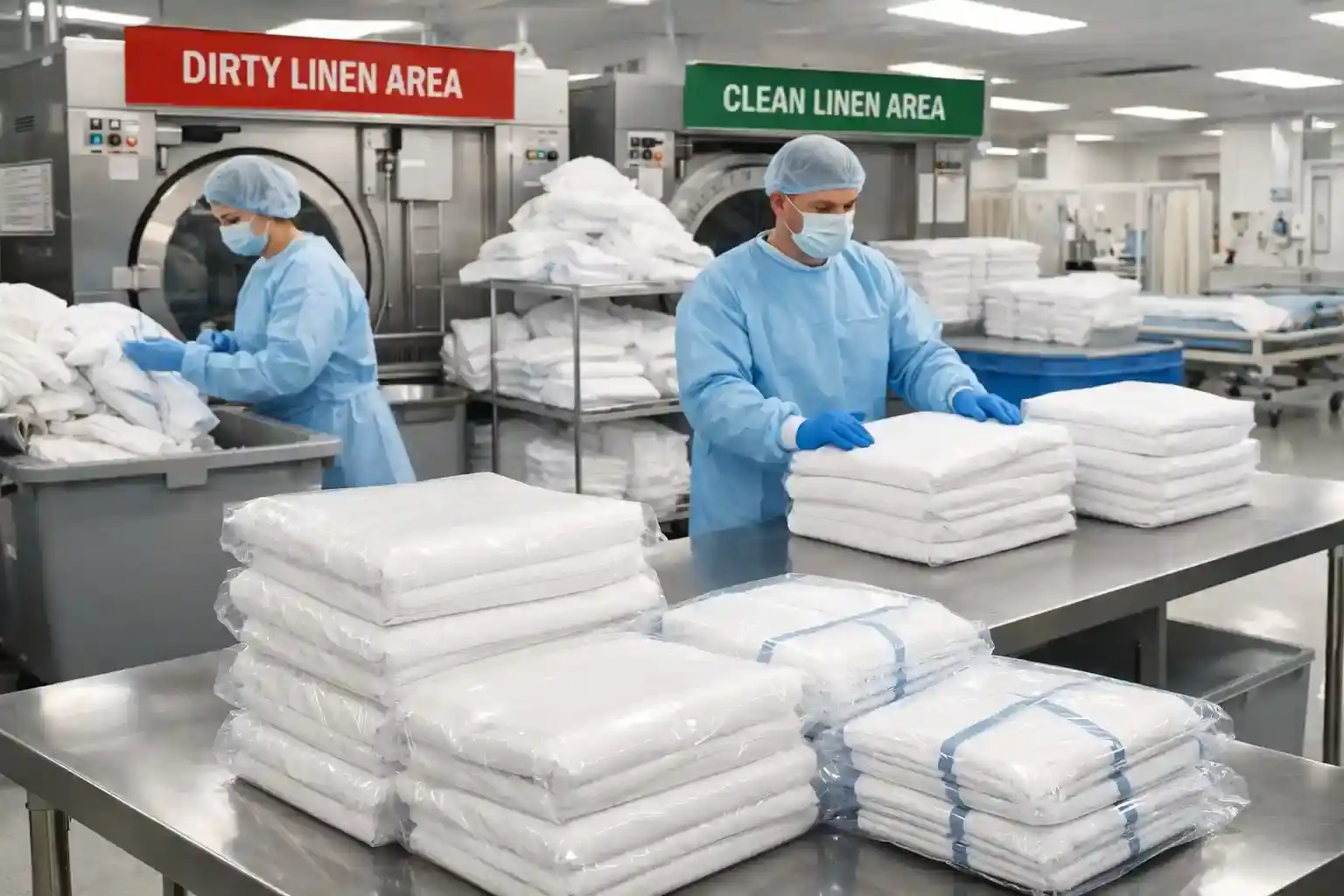
A mid-size hospital can generate anywhere between 3 to 5 kilograms of soiled linen per bed per day. A large hotel processes hundreds of kilograms of linen across rooms, restaurants, and banquet spaces daily. An educational residential campus with hundreds of students runs a laundry operation that rivals a small commercial facility. In each case, the resources consumed add up fast.
Conventional laundry practices rely on high-temperature wash cycles, chemically aggressive detergents, long drying times, and frequent linen replacement due to premature wear. The environmental impact of each of these is real:
- High-temperature washing consumes large amounts of electricity or gas with every cycle
- Harsh detergents and bleaching agents contain compounds that harm waterways when discharged without proper treatment
- Excessive water usage puts pressure on local supply, a growing concern across many parts of India
- Short linen lifespans driven by aggressive wash processes contribute to textile waste, much of which ends up in landfills
None of this is unavoidable. With the right equipment, the right processes, and the right partner, each of these impacts can be significantly reduced.
What Sustainable Laundry Solutions Actually Look Like
Sustainable laundry is not about cutting corners on hygiene or cleanliness. The most effective eco-friendly approaches often deliver better outcomes than older conventional methods. Here is what they involve in practice.
Cold and Warm Wash Technology
Modern commercial washing equipment is engineered to achieve thorough cleaning and effective disinfection at lower temperatures. Cold and warm wash cycles use significantly less energy than traditional hot washes and, when paired with the right chemistry, are just as effective at eliminating pathogens and removing soiling. For a commercial washing facility processing large institutional loads daily, the energy savings from this shift alone are considerable.
Water Recycling and Efficient Usage
Advanced laundry systems incorporate water recovery and reuse technology, where rinse water from one cycle is filtered and fed back into the pre-wash of the next. Some facilities have reduced water consumption by 30 to 50 percent simply by upgrading to systems built with efficiency in mind. In a country facing growing water stress across major cities, this is not just a sustainability argument. It is a practical one.
Biodegradable and Phosphate-Free Detergents
The choice of chemistry matters more than most decision-makers realise. Conventional laundry chemicals often contain phosphates, optical brighteners, and persistent compounds that survive wastewater treatment and accumulate in the environment. Eco-friendly laundry services use biodegradable, phosphate-free alternatives that are equally effective without the downstream damage. They are also gentler on fabric, which directly extends linen lifespan and reduces replacement frequency.
Energy-Efficient Equipment and Heat Recovery
High-capacity automated dryers and finishing equipment in modern laundry plants are built with heat recovery systems that capture and reuse thermal energy across cycles. Combined with full load optimisation, running machines at capacity rather than partial loads, the resource savings per kilogram of linen processed are significant. A well-run sustainable laundry operation is simply a more economical one.
The Business Case for Sustainable Operations
For procurement managers, facility heads, and operations teams, sustainability needs to make financial sense. And in laundry, it genuinely does.
Lower Operating Costs
Using less water and less energy translates directly into lower utility bills. For an institution processing large linen volumes weekly, even a 20 percent reduction in water and power consumption adds up to meaningful savings over a year. At the scale that hospitals, hotel chains, and large campuses operate, these are not marginal numbers.
Extended Linen Lifespan
Gentler wash processes and fabric-appropriate detergents reduce wear on linen inventory with every cycle. Linens that last longer mean fewer replacements, which reduces both procurement costs and textile waste. For an organisation managing large inventories of patient linen, institutional bedding, or hospitality textiles, this makes a real difference to the replacement budget over time.
Stronger Compliance and Accreditation Positioning
Healthcare facilities pursuing NABH accreditation, hotels working towards green certifications, and educational institutions meeting regulatory requirements all benefit from having documented, responsible laundry practices in place. Sustainable laundry operations are increasingly part of what auditors and accreditation bodies look for when assessing overall facility management standards.
Reputation and Stakeholder Confidence
Patients, guests, parents, and institutional clients are paying more attention to how organisations manage their environmental responsibilities. A credible sustainability story, including how you handle something as foundational as linen and laundry, contributes to the broader perception of how well your organisation is run. It is a small detail that signals something larger about your standards.
Regulatory Preparedness
Environmental regulations around wastewater discharge, chemical use, and energy consumption are tightening across sectors in India. Organisations that have already moved towards sustainable laundry operations are far better positioned to meet these requirements without disruption. Getting ahead of regulation is always less costly than reacting to it.
Why Scale Makes Sustainability More Achievable
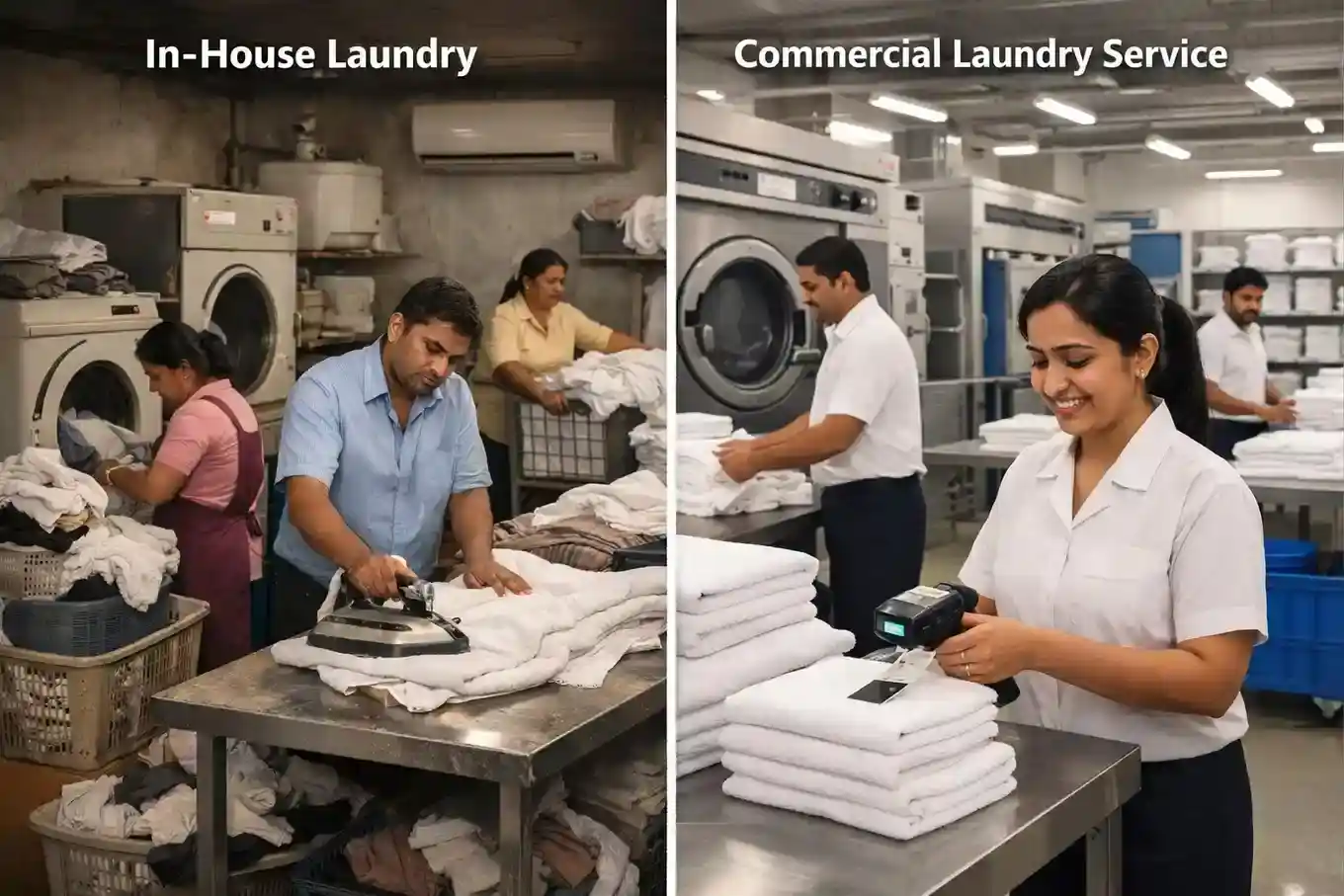
One of the more underappreciated aspects of sustainable laundry is that it becomes significantly more achievable at scale. A centralised commercial washing facility processing large, optimised loads is inherently more efficient per kilogram of linen than a smaller in-house operation running partial loads on older equipment.
This is why partnering with a professional laundry services provider, rather than trying to replicate the same capability in-house, is often the more sustainable choice as well as the more practical one. The provider has already invested in high-capacity automated systems, water recycling infrastructure, and responsible chemical sourcing. When you work with them, you benefit from those capabilities without having to build them yourself.
For healthcare, hospitality, and education institutions managing linen at volume, this is a particularly relevant consideration. The combination of scale and purpose-built infrastructure is where sustainable laundry solutions become genuinely viable, not just aspirational.
How Quick Smart Wash Approaches Sustainability
Quick Smart Wash operates high-capacity automated laundry plants built around efficiency and responsible resource use. Serving hospitals, hotels, and educational institutions across India, the company processes large linen volumes daily across sectors where hygiene and consistency are non-negotiable.
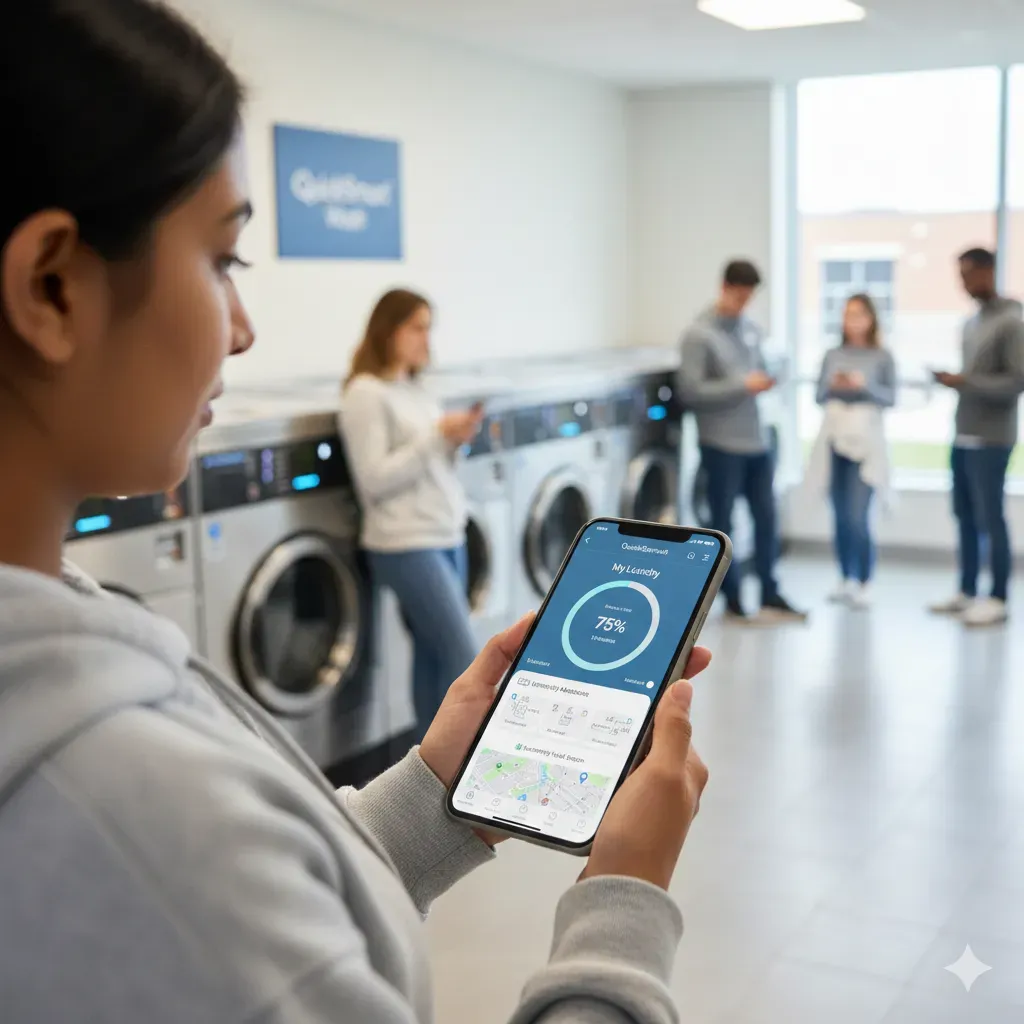
Sustainable laundry operations are baked into how their facilities are run, not added as an afterthought. From energy-efficient processing systems and optimised batch management to responsible detergent use and linen lifecycle tracking through RFID technology, every part of the operation is designed to deliver high hygiene standards while minimising waste and resource consumption.
For organisations that want eco-friendly laundry services without the overhead of building and managing a compliant, efficient facility themselves, it is a practical and proven option. Quick Smart Wash can either set up a fully managed laundry operation within your premises, covering all capital and operational costs, or collect and process your linen at their own central processing units, depending on what works best for your setup.
The Bottom Line
Sustainable laundry is not a compromise. It is a smarter way to operate. It reduces costs, extends the life of your linen inventory, supports compliance, and positions your organisation as one that takes its responsibilities seriously.
The organisations already making this shift are not doing it out of environmental conviction alone, though that is a good reason on its own. They are doing it because it makes operational and financial sense. And the longer you wait to make the same move, the more value you leave on the table.
If you have been thinking about what more responsible, more efficient laundry operations could look like for your institution, now is a good time to start that conversation.
About Md Shaquib
Md Shaquib enjoys blogging and content writing, sharing useful stories and tips online.