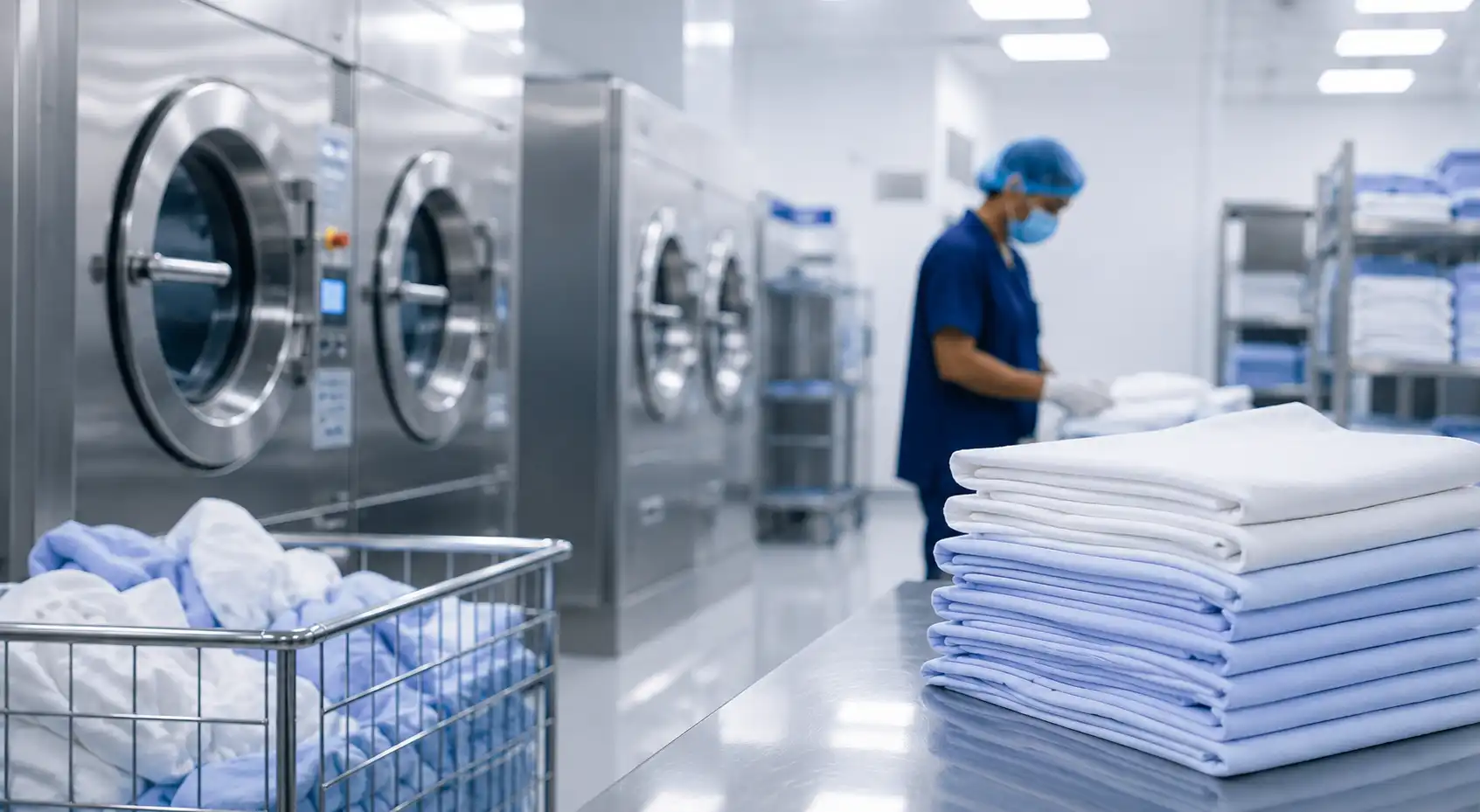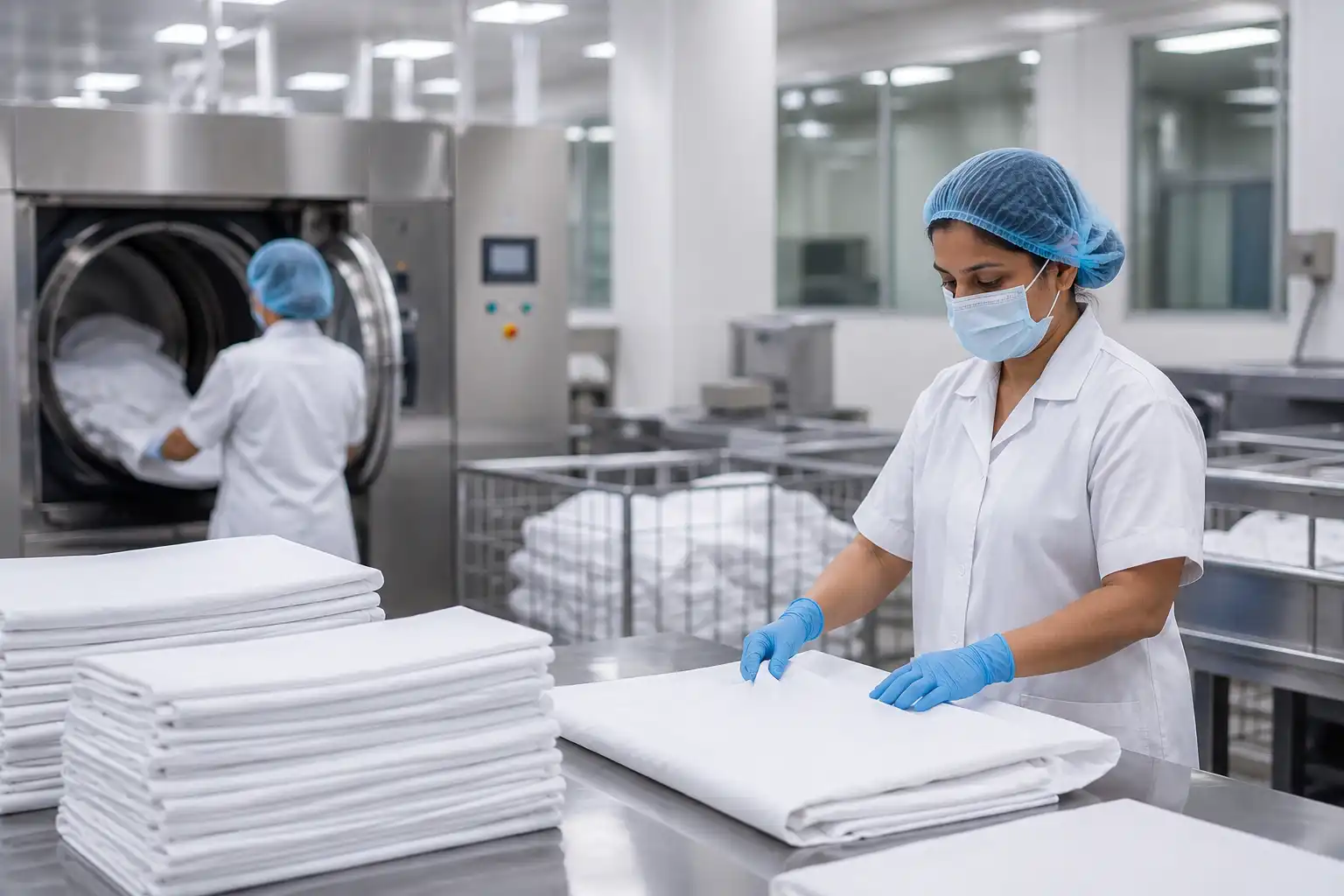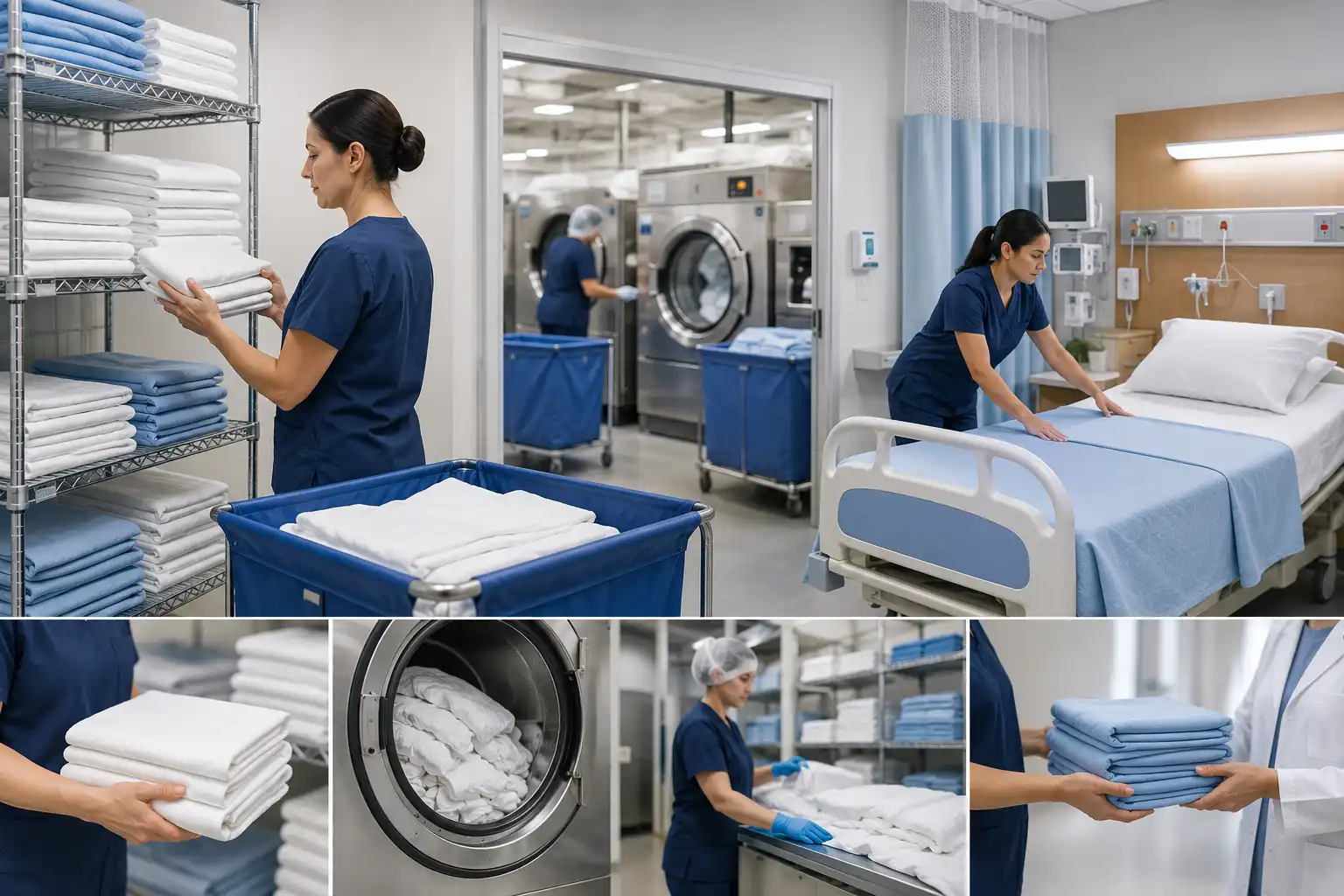
Linen is one of the most heavily consumed resources in any hospital. Bed sheets, patient gowns, blankets, towels, surgical drapes, and staff uniforms cycle through a healthcare facility in enormous volumes every single day. Yet in most hospitals, linen management is still treated as a background function rather than a strategic priority. The result is predictable: overstocking, unexplained losses, hygiene lapses, inflated operational costs, and a procurement team perpetually playing catch-up.
The good news is that linen usage optimization is not a complex undertaking. With the right systems, practices, and mindset in place, hospitals can dramatically reduce linen-related waste, cut costs, protect patient safety, and build a more accountable supply chain. The following techniques represent the most effective approaches that modern healthcare facilities are adopting.
1. Conduct a Baseline Linen Audit Before Anything Else
Optimization cannot begin without measurement. Many hospitals that believe they have a linen shortage actually have a linen distribution problem. Items accumulate in unused wards, get stored informally by nursing staff, or sit in piles awaiting processing. Before investing in new stock or new systems, a thorough audit should map exactly how much linen the facility owns, where it currently sits, and how frequently it is actually being used.
This baseline audit should cover every department separately, since usage patterns in a surgical ICU are fundamentally different from those in an outpatient wing or a maternity ward. Identifying these patterns is the first step toward allocating the right quantities to the right areas, which is the foundation of meaningful linen usage optimization.
2. Implement RFID and Barcode Tracking
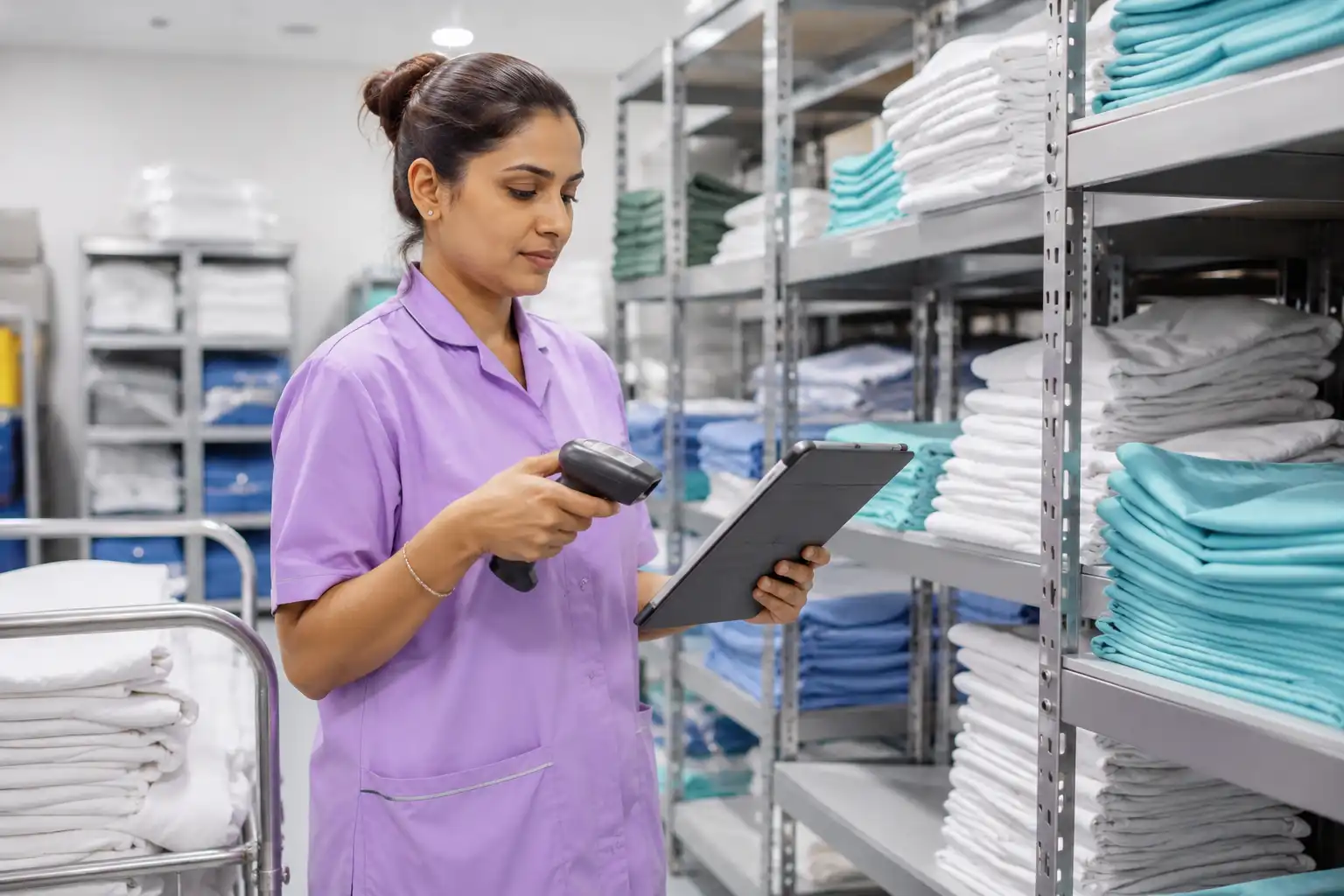
One of the most significant shifts in institutional linen management over the past decade has been the adoption of RFID technology. By embedding microchips or attaching barcodes to individual linen items, hospitals gain real-time visibility into where every piece of linen is at any given moment: in a patient room, in the soiled collection area, in transit, or in the laundry process.
The practical benefits are substantial. Hospitals using RFID-based tracking report significant reductions in unexplained linen losses, which typically account for a large portion of annual linen replacement costs. The technology also makes it possible to identify bottlenecks in the linen cycle, such as items piling up in a particular department or spending too long in processing, so that corrective action can be taken quickly.
For facilities working with professional linen management partners, RFID tracking enables a level of accountability that was previously impossible with manual systems. Every item can be traced from the patient bed through laundering and back to redistribution, creating a closed-loop system with no blind spots.
3. Standardize Par Levels by Department
A par level is the minimum quantity of linen that a department needs to have on hand at any given time to function without interruption. Establishing accurate, department-specific par levels is one of the most effective linen usage optimization techniques available, yet it is surprisingly underused in many hospitals.
Without defined par levels, nursing staff and ward managers tend to hoard linen out of anxiety about running short. This behavior creates artificial shortages in other departments, drives up the apparent demand for new stock, and makes it nearly impossible to understand true consumption patterns. When par levels are set based on actual usage data and reviewed regularly, hospitals gain predictable, controllable linen flows across every ward.
Par levels should be recalibrated periodically to reflect changes in occupancy rates, seasonal demand shifts, and changes in clinical procedures that alter linen consumption. What worked during a low-occupancy period will not necessarily be appropriate during peak admissions.
4. Adopt a First-In, First-Out (FIFO) Rotation Policy
Linen that sits unused for extended periods is not just an inventory problem; it is a hygiene risk and a cost driver. Fabric degrades over time even without use, and items that are stored for too long may need re-laundering before they are fit for patient contact.
A strict first-in, first-out rotation policy ensures that older stock is always used before newly processed linen. This sounds straightforward, but it requires deliberate storage organization: clean linen should be loaded from the back of shelving units and drawn from the front, so that items always cycle through in order of processing date.
Proper FIFO rotation also extends the usable life of the linen inventory, since items are not repeatedly cycled through the laundry unnecessarily. This has a meaningful impact on both fabric longevity and energy costs over time.
5. Set Hygiene Standards That Align with Clinical Risk Levels
Not all linen carries the same infection risk, and not all linen needs to be processed identically. One of the most effective ways to improve both safety and efficiency is to categorize linen by clinical risk and apply appropriate handling protocols to each category.
Linen from isolation wards, operating theatres, and intensive care units requires high-temperature washing with hospital-grade disinfectants and, in some cases, separate wash cycles to prevent cross-contamination. General ward linen, while still requiring rigorous standards, does not necessarily need identical processing.
This tiered approach, which is a core principle of effective hospitality linen management adapted for healthcare settings, prevents unnecessary resource expenditure on lower-risk items while ensuring that high-risk linen receives the full level of treatment it demands. It also reduces the risk of a contamination incident stemming from improperly categorized or mixed loads.
6. Move Away from Informal "Dhobi" Models Toward Managed Services
Many mid-sized hospitals in India and across South Asia still rely on informal or semi-formal laundry arrangements that lack any systematic tracking, quality control, or hygiene assurance. These arrangements may appear cost-effective on the surface, but the hidden costs in lost items, re-washing due to inadequate cleaning, fabric damage, and infection risk quickly outweigh any savings.
Transitioning to a professional managed linen service brings institutional accountability to a function that is often poorly documented. Providers who specialize in healthcare linen bring industrial-grade equipment, certified disinfection protocols, and documented chain-of-custody procedures that informal operators simply cannot match.
Companies like Quick Smart Wash, which operates dedicated healthcare linen management programs, offer hospitals fully managed solutions including RFID tracking, certified sterilization processes, and real-time reporting. This kind of partnership allows hospital operations teams to focus on clinical priorities while maintaining full confidence in the hygiene and availability of their linen supply.
7. Train Staff on Proper Linen Handling
Even the most sophisticated tracking and laundering infrastructure can be undermined by poor handling practices on the ward. Healthcare staff who are not trained in proper linen protocols can inadvertently create hygiene risks and linen losses that no management system can compensate for.
Key training areas include the correct segregation of soiled and clean linen, the proper procedure for handling contaminated items without shaking or exposing the contents, how to use color-coded bags correctly, and the importance of not storing excess linen informally in patient rooms or staff areas.
Training should not be a one-time onboarding exercise. Regular refreshers, especially when protocols change or when audits reveal gaps in compliance, are essential. Linen mismanagement is rarely intentional; it is almost always the result of unclear procedures or habits formed in the absence of formal guidance.
8. Apply Hospitality-Sector Thinking to Presentation and Rotation
Hospitals are increasingly recognizing that the quality and presentation of linen affects patient perception of care quality. This is a lesson that hotel linen management services have long understood: guests form strong impressions based on whether their bedding looks fresh, feels soft, and smells clean.
The same principle applies in healthcare. Worn, pilled, or discolored linen sends a subtle but unmistakable signal about the facility's standards, even when clinical care is excellent. Incorporating regular linen condition audits, where items are assessed for wear and retired before they become visually substandard, is a practice borrowed directly from hotel linen management services that translates well into hospital settings.
This also has functional benefits. Fabric that is beyond its service life tends to harbor microorganisms more readily, launders less effectively, and is more likely to develop structural failures during use. A systematic retirement policy protects both patient experience and infection control outcomes simultaneously.
9. Use Data to Drive Procurement Decisions
One of the most persistent inefficiencies in hospital linen management is procurement based on intuition or historical averages rather than actual consumption data. Hospitals end up purchasing linen in bulk quantities that are either excessive or insufficient, neither of which is operationally optimal.
With modern tracking systems generating real usage data by department, by item type, and by time period, procurement teams can make far more precise decisions. Reorder points can be set algorithmically based on actual depletion rates. Seasonal adjustments can be built into planning cycles. Patterns of unusually high consumption can be flagged for investigation before they escalate into shortages or cost overruns.
This data-driven approach is at the core of what sophisticated hospitality linen management providers bring to their institutional partners. The operational discipline that major hotel chains apply to their linen programs, including predictive analytics, consumption benchmarking, and vendor performance tracking, is directly applicable to the healthcare environment.
10. Measure, Report, and Improve Continuously
Linen usage optimization is not a project with a defined endpoint. It is an ongoing management discipline that delivers increasing returns the longer it is practiced consistently. Hospitals that treat linen management as a set-and-forget function will consistently find that inefficiencies creep back in over time.
Effective programs include monthly reporting on key metrics: linen losses as a percentage of inventory, average processing time, cost per patient-day, and linen condition scores. These numbers should be reviewed by operations leadership and benchmarked against industry standards.
When metrics deteriorate, the data should point toward the cause clearly enough to enable targeted corrective action. When they improve, the improvements should be documented and shared as evidence that the investment in better linen management is generating real returns.
The Compounding Value of Getting Linen Management Right
It is easy to underestimate how much a hospital's linen program affects its overall operational health. At institutions that have undertaken serious linen usage optimization initiatives, the results consistently include lower procurement costs, reduced laundry volume, fewer patient complaints, better infection control outcomes, and significantly improved staff satisfaction in departments that previously dealt with constant linen shortages.
The techniques described here are not aspirational. They are being implemented today by hospitals that have recognized linen management as a strategic function rather than a background service. The hospitals that move in this direction earliest will build the most efficient, accountable, and patient-centered linen programs. Those that continue to treat it as an afterthought will keep paying the price in ways that are often difficult to trace back to their actual source.